
Ontario’s Hospitals Have Been Pushed Over the Brink
Underfunding, understaffing and privatization are making Ontario’s hospital crisis worse
Ontario hospitals are running out of the resources they need to care for patients.
Hospital working capital—the money available to pay day-to-day expenses such as payroll, medications and medical supplies—has fallen by more than $2.2 billion since 2020. By the end of 2025, hospitals had a combined working-capital deficit of $280 million.
At the same time, hospitals are facing rising demand, severe staffing shortages, growing deficits and dangerously high occupancy rates.
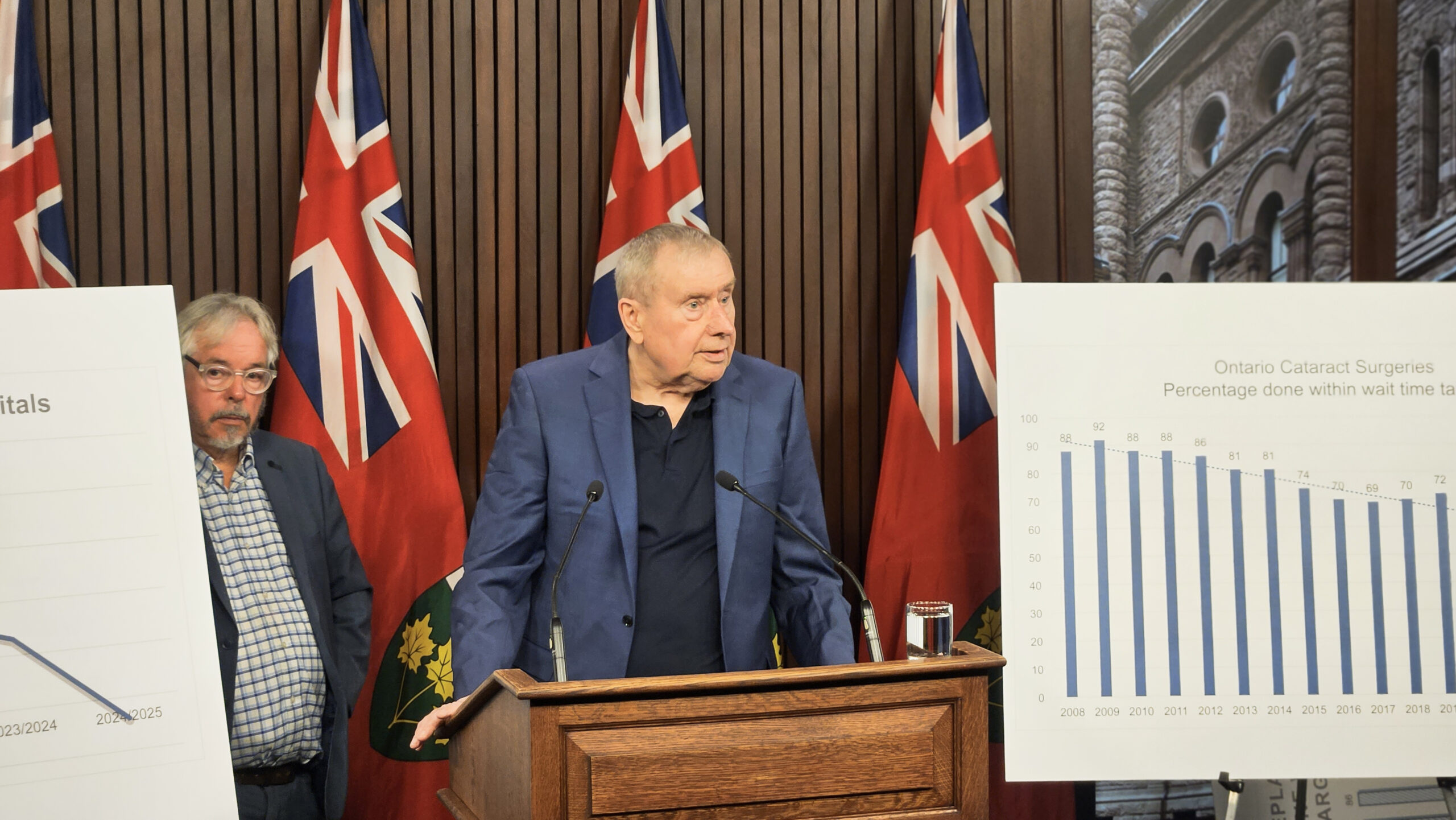
OCHU/CUPE has launched a province-wide media tour to present the report’s findings and show how funding shortfalls, staffing cuts and privatization are affecting hospitals in communities across Ontario.
The tour began at Queen’s Park and is being presented by Michael Hurley, President of OCHU/CUPE, and Doug Allan, Senior Research Officer.
At each stop, OCHU/CUPE will share provincial and local hospital data, speak with journalists and community members, and call on the Ontario government to protect and rebuild public hospital care.
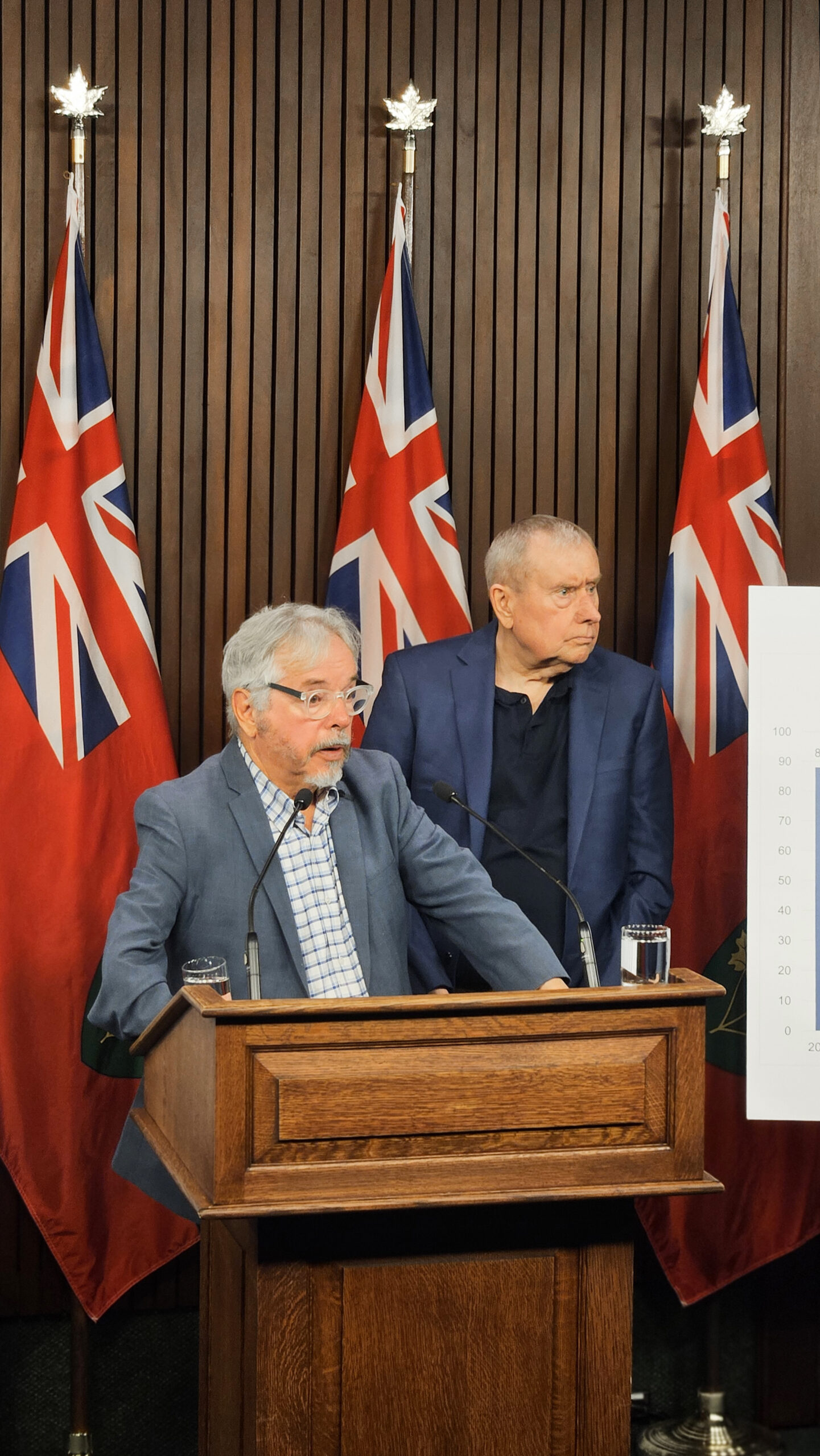
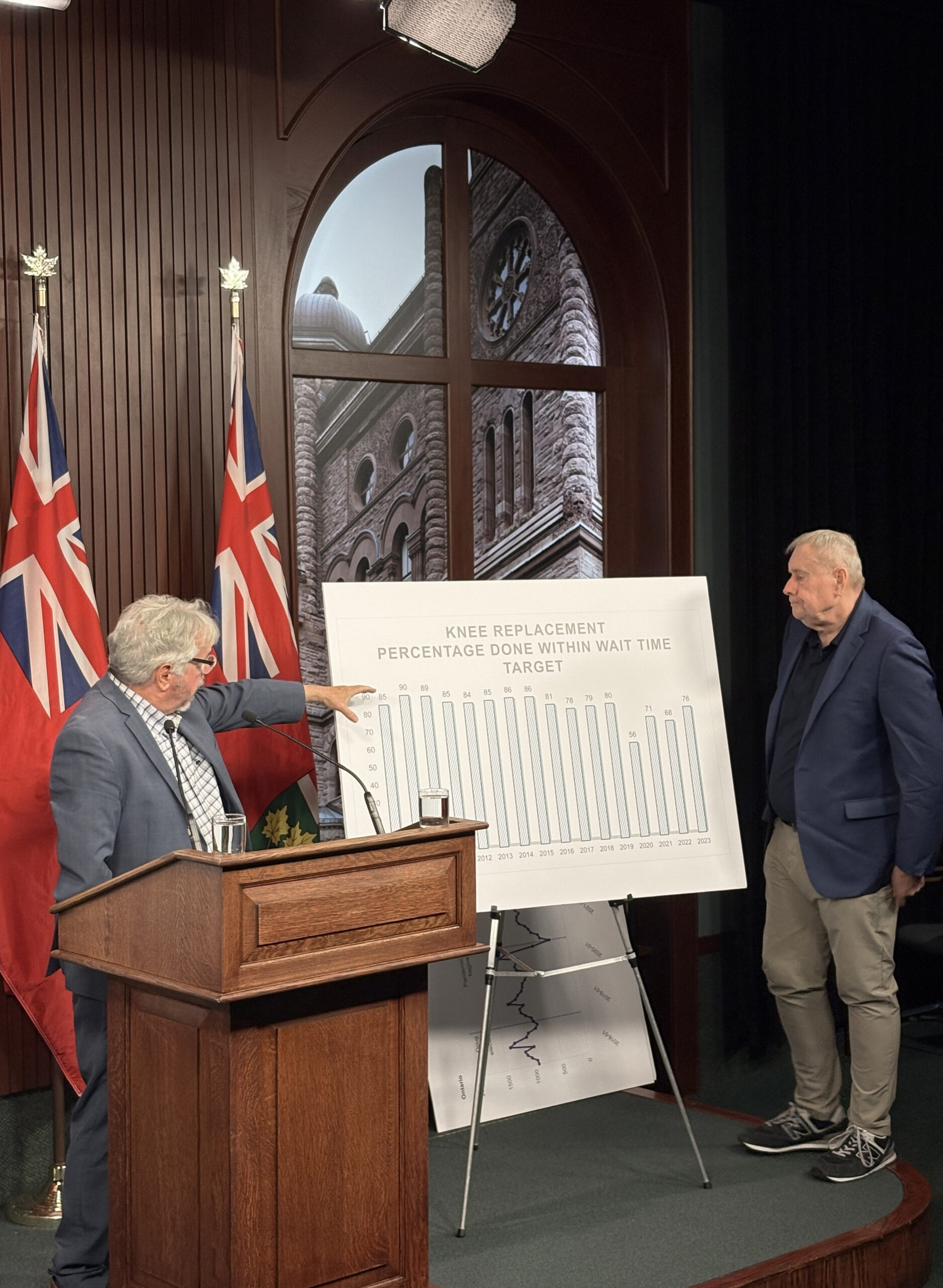
“Hospitals need 6 percent annual increases simply to maintain services. The Ford government has cut hospital budgets in real terms, year after year, resulting in a loss of beds and staff in the face of significant utilization pressures from an aging population.” — Michael Hurley, President, OCHU/CUPE
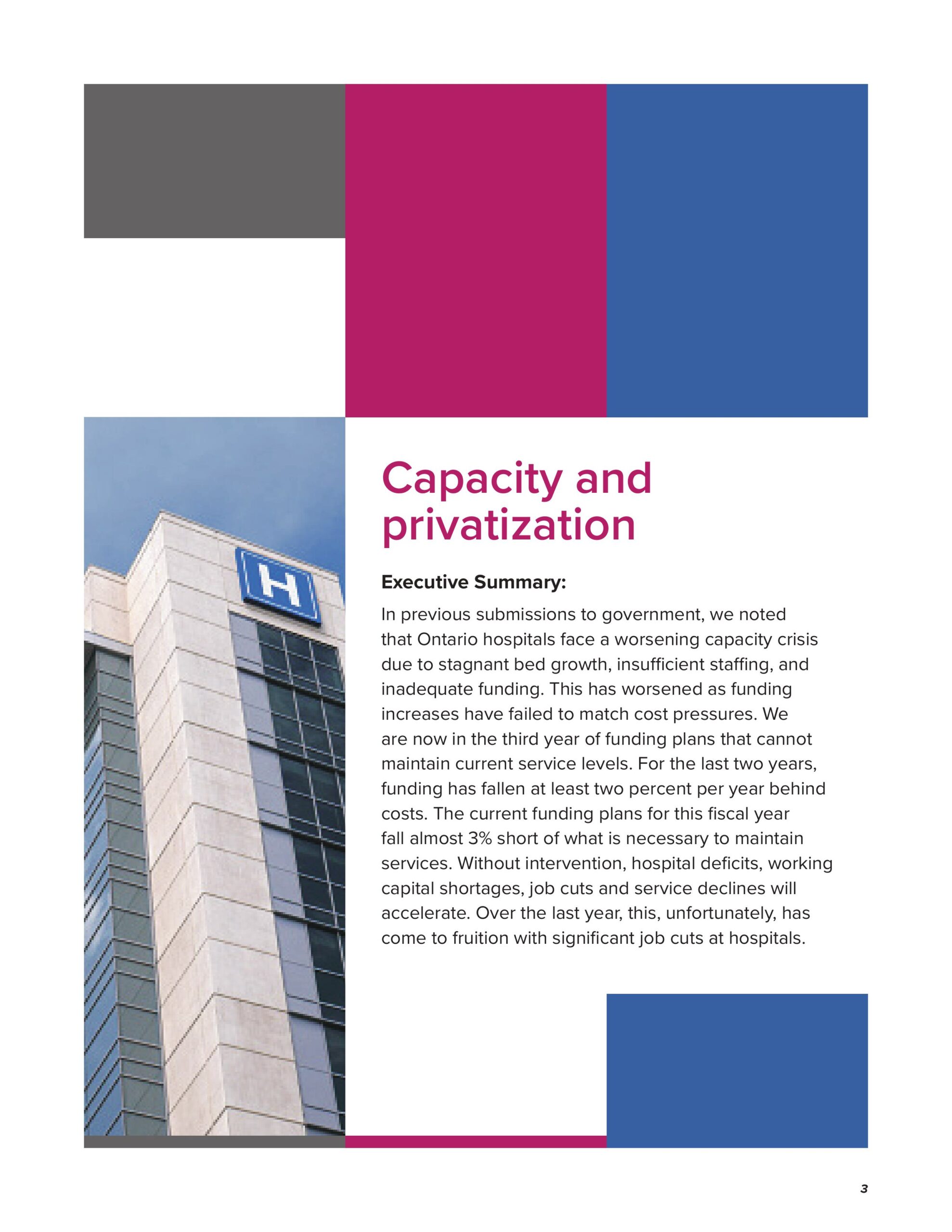
The new OCHU/CUPE report, Pushed Over the Brink: The Escalating Assault on Ontario’s Hospitals, shows that this crisis is not unavoidable. It is the direct result of government funding decisions that have failed to keep pace with the real cost of providing hospital care.
$2.2 billion lost
Hospital working capital fell from more than $2 billion to negative $280 million.
More than 1,200 jobs eliminated
Hospitals have cut more than 1,200 positions since September 2025, despite growing demand for care.
$400 million in deficits
Ontario hospital operating deficits exceeded $400 million by the end of 2025.
55,000 workers short
Ontario needs approximately 55,000 additional hospital workers to match staffing levels in the rest of Canada.
Funding is not keeping pace
Hospital expenses have increased by an average of 6.5% annually over the past seven years. However, the provincial government plans to increase hospital funding by only 3.3% in 2026–27.
This funding gap is forcing hospitals to borrow money, eliminate jobs and reduce services.
Ontario also provides the lowest provincial hospital funding per person in Canada. Approximately $5 billion more annually is needed to bring funding for core hospital services in line with other provinces.
Demand is rising while capacity falls
Ontario hospitals provided more than nine million inpatient days in 2024–25, an increase of more than two million days over the past decade.
Many hospitals regularly operate above 90% bed occupancy, while the number of patients receiving care in hallways has nearly doubled since 2018.
Patients are experiencing:
- Overcrowded emergency departments
- Longer waits for surgeries and treatment
- Hallway health care
- Emergency-room closures
- Less time with hospital staff
Ontario cannot meet growing demand while cutting hospital jobs and services.
Privatization is not reducing wait times
The Ontario government has increased annual funding for private, for-profit clinics from $60 million in 2017–18 to $294 million in 2026–27.
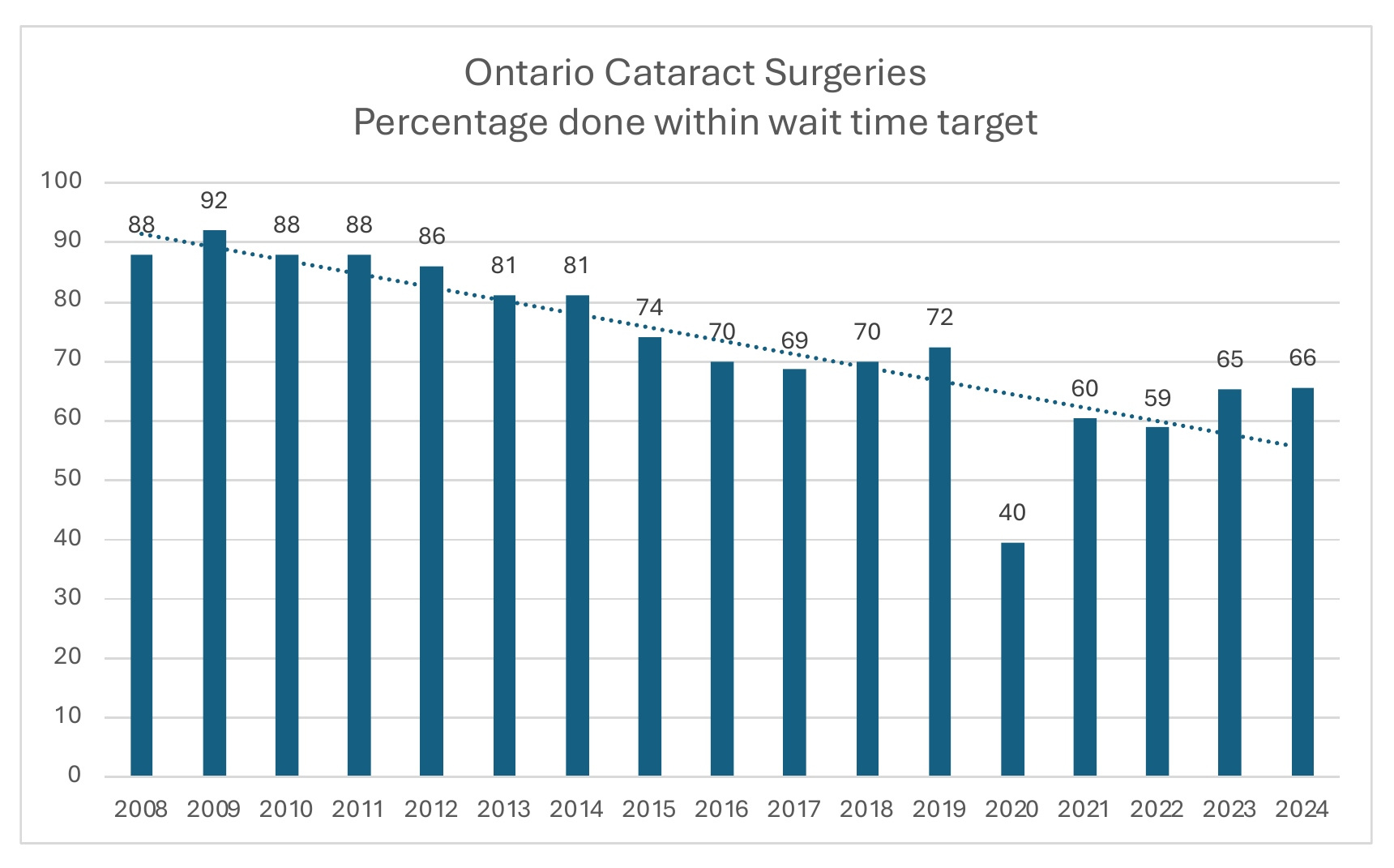
But after private-clinic funding was expanded, cataract surgery results became worse:
- Median waits increased from 63 to 71 days
- Longer waits increased from 223 to 253 days
- Surgeries completed within the target time fell from 72% to 66%
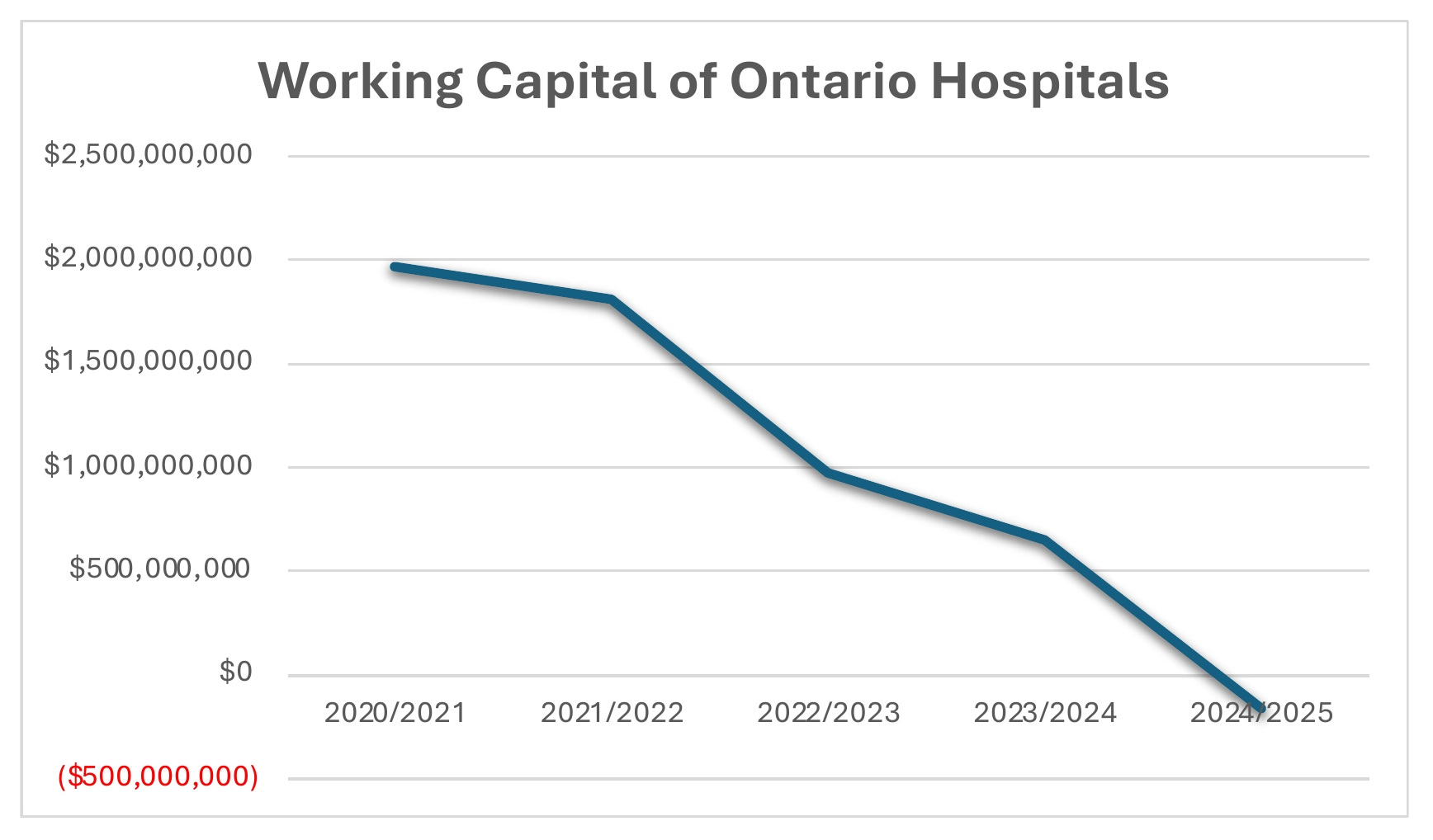
Working Capital of Ontario Hospitals
Ontario hospitals’ working capital fell from approximately $2 billion in 2020–21 to negative $280 million in 2024–25. Hospitals are increasingly forced to borrow money to cover daily operating expenses.
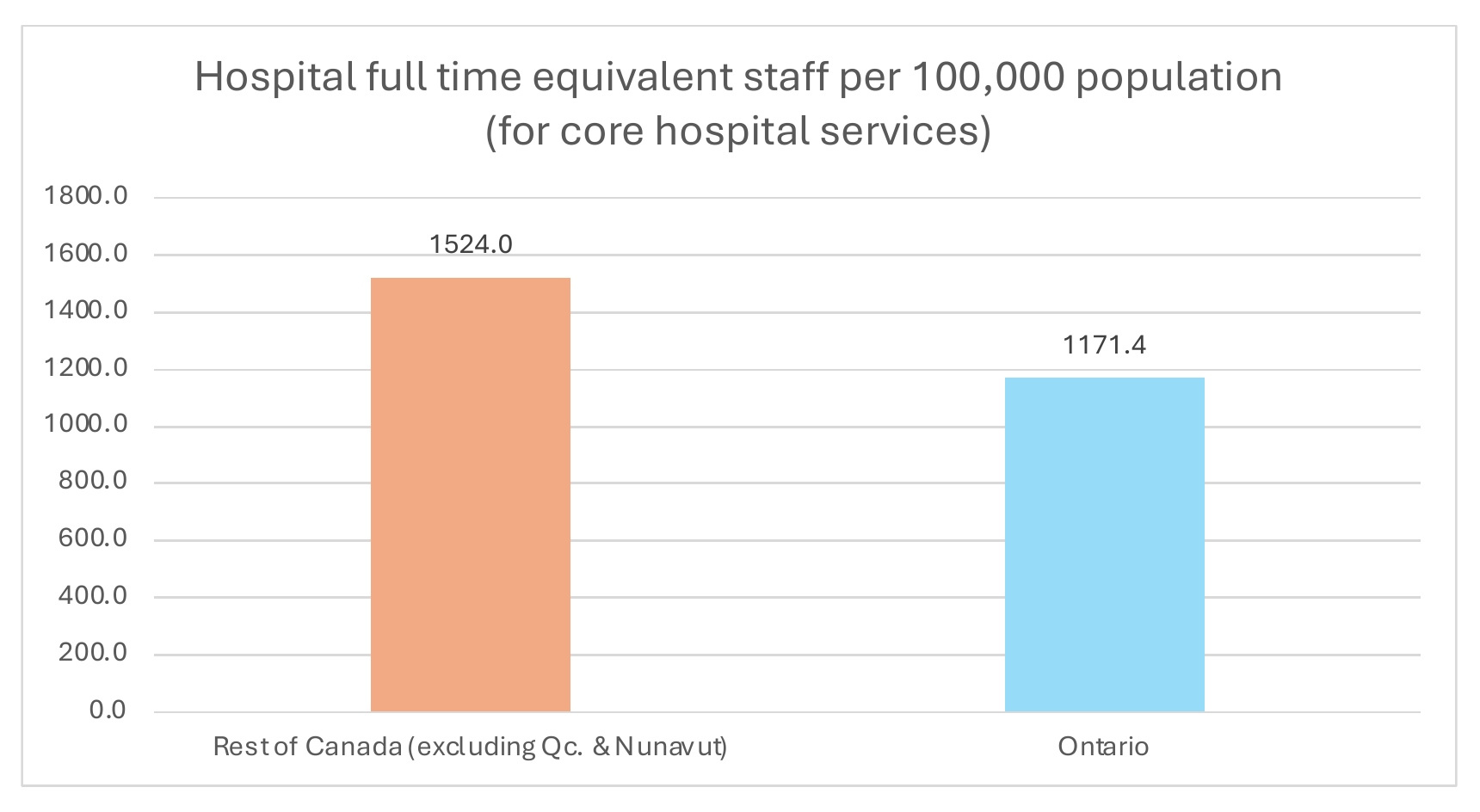
Ontario’s Hospital Staffing Gap
Ontario has only 1,171 hospital workers per 100,000 residents, compared with 1,524 in the rest of Canada. Ontario would need approximately 55,000 additional full-time workers to close this gap.
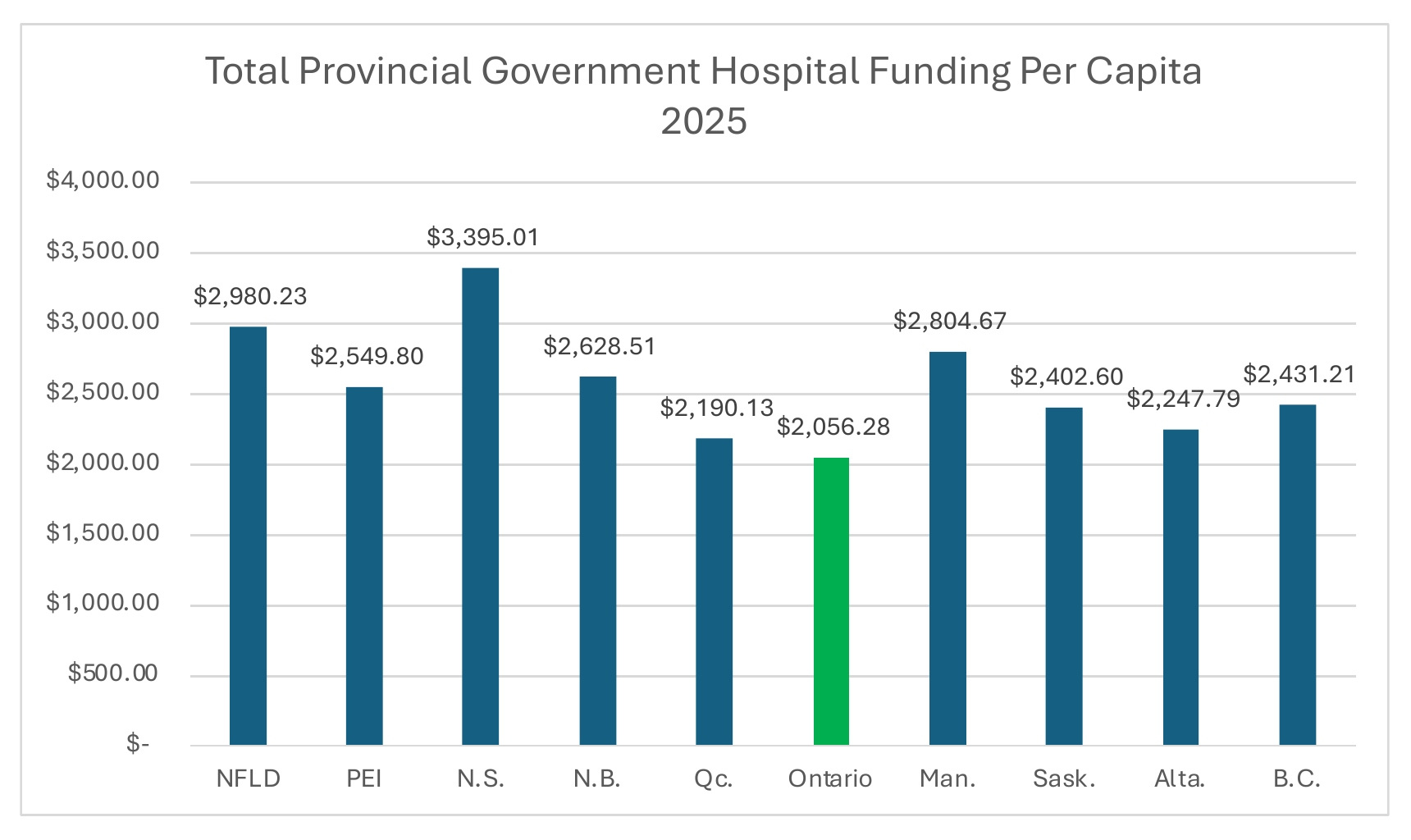
Provincial Hospital Funding per Capita
Ontario provides just $2,056 per person in hospital funding—the lowest level in Canada. Approximately $2.17 billion more was needed in 2025 just to reach the second-lowest-funded province.
OCHU/CUPE is calling on the provincial government to:
- Invest $5 billion in core hospital services
- Provide stable, multi-year hospital funding
- Stop hospital job cuts and increase staffing
- Expand public hospital capacity
- End further privatization
- Implement nurse-to-patient ratios
- Address violence against hospital workers

